Winkler, M. (2021). The Image of Language: An Artist’s Memoir. Artist Books Editions.
Artistic Responses

Keyboard Performances
Lorem ipsum dolor sit amet, consectetur adipiscing elit. Mauris vestibulum turpis eu erat tempor mattis. Nullam accumsan magna turpis, eu fermentum nisl fermentum vel. Proin congue dictum purus, a fringilla ante sollicitudin quis. Nunc vel rhoncus urna, ac vestibulum tellus. In sollicitudin pellentesque nunc. Nunc egestas eget purus vel maximus. Curabitur dapibus mattis lacus eu congue. Integer rutrum tempus cursus. Nulla hendrerit arcu sit amet ante bibendum, non lobortis sapien eleifend. Vivamus consectetur commodo ex et venenatis. Donec sit amet erat sit amet turpis lobortis lacinia non quis nibh. Nullam fringilla nisi vitae fringilla varius.
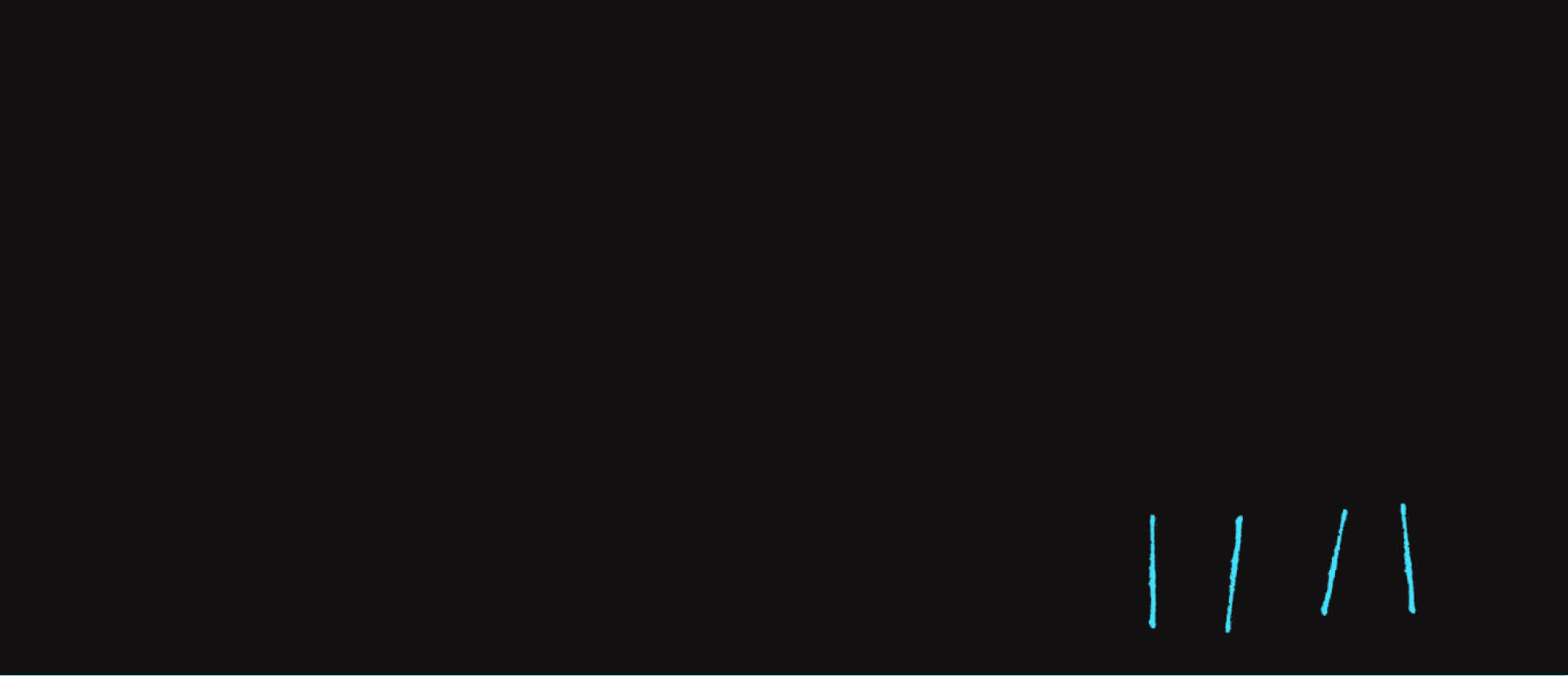
Four Fingerprints for Chika Sagawa
Fingers Play the Air Above the Keyboard
A keyboard performance of Seasonal Monocle by Chika Sagawa and translated by Sawako Nakayasu
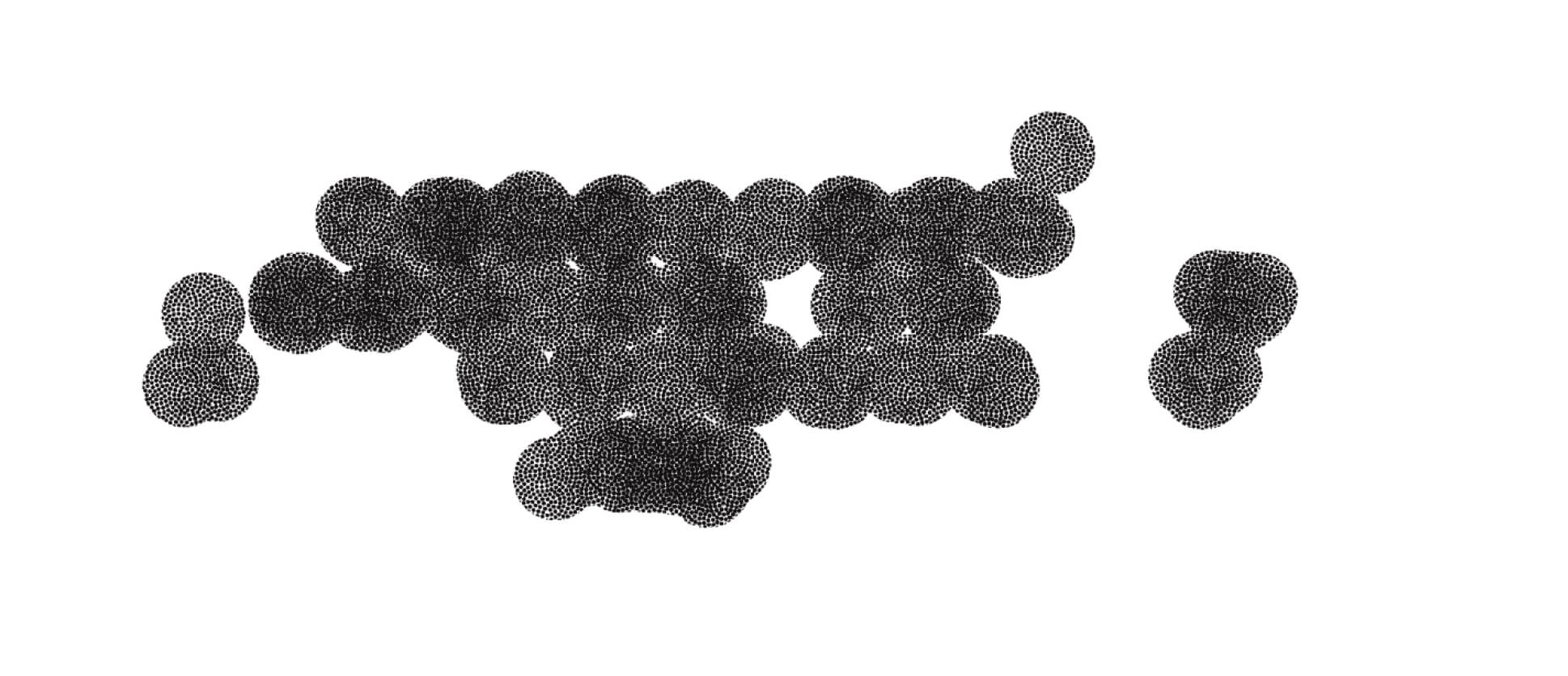
Every Day, Fingertips
A keyboard performance of Shapes of Clouds by Chika Sagawa and translated by Sawako Nakayasu
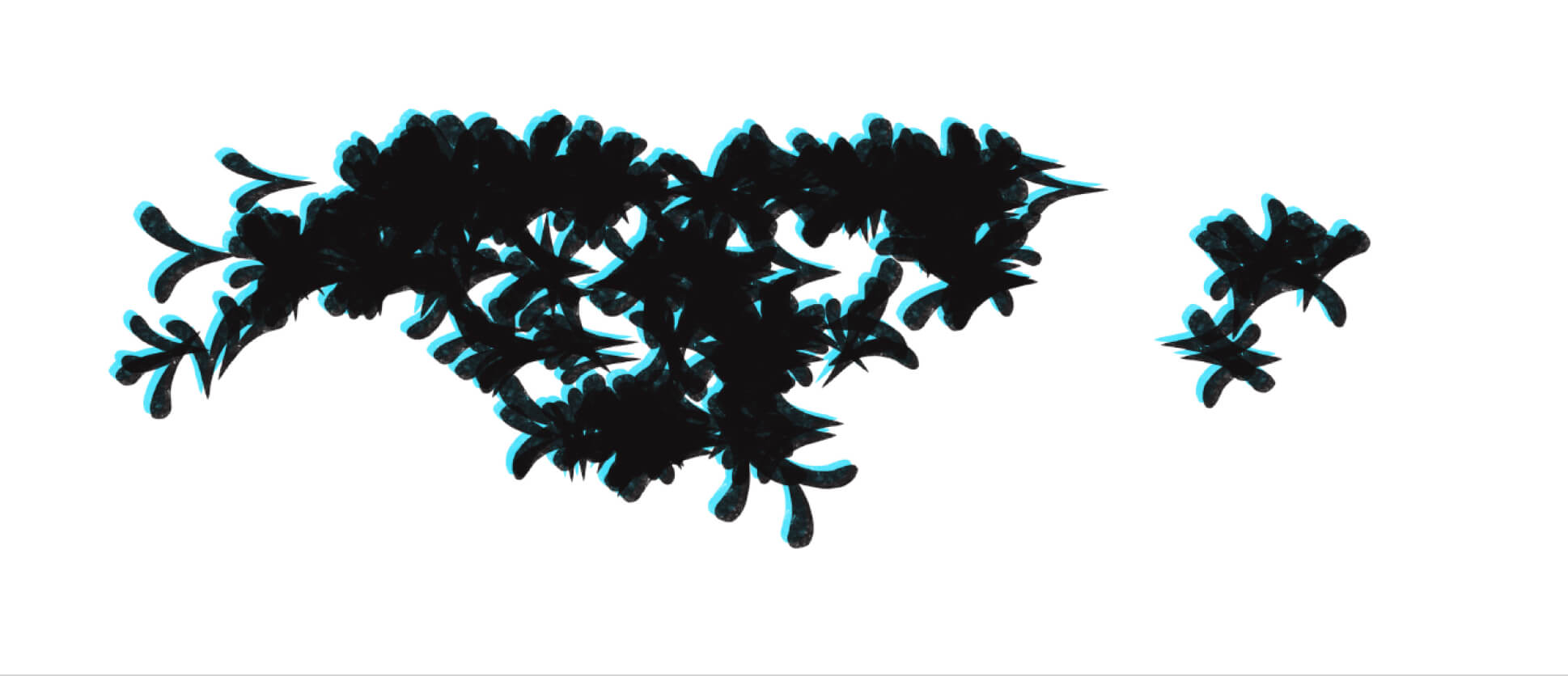
Fingertips Collect the Lips of the Waves
A keyboard performance of Ancient Flowers by Chika Sagawa and translated by Sawako Nakayasu
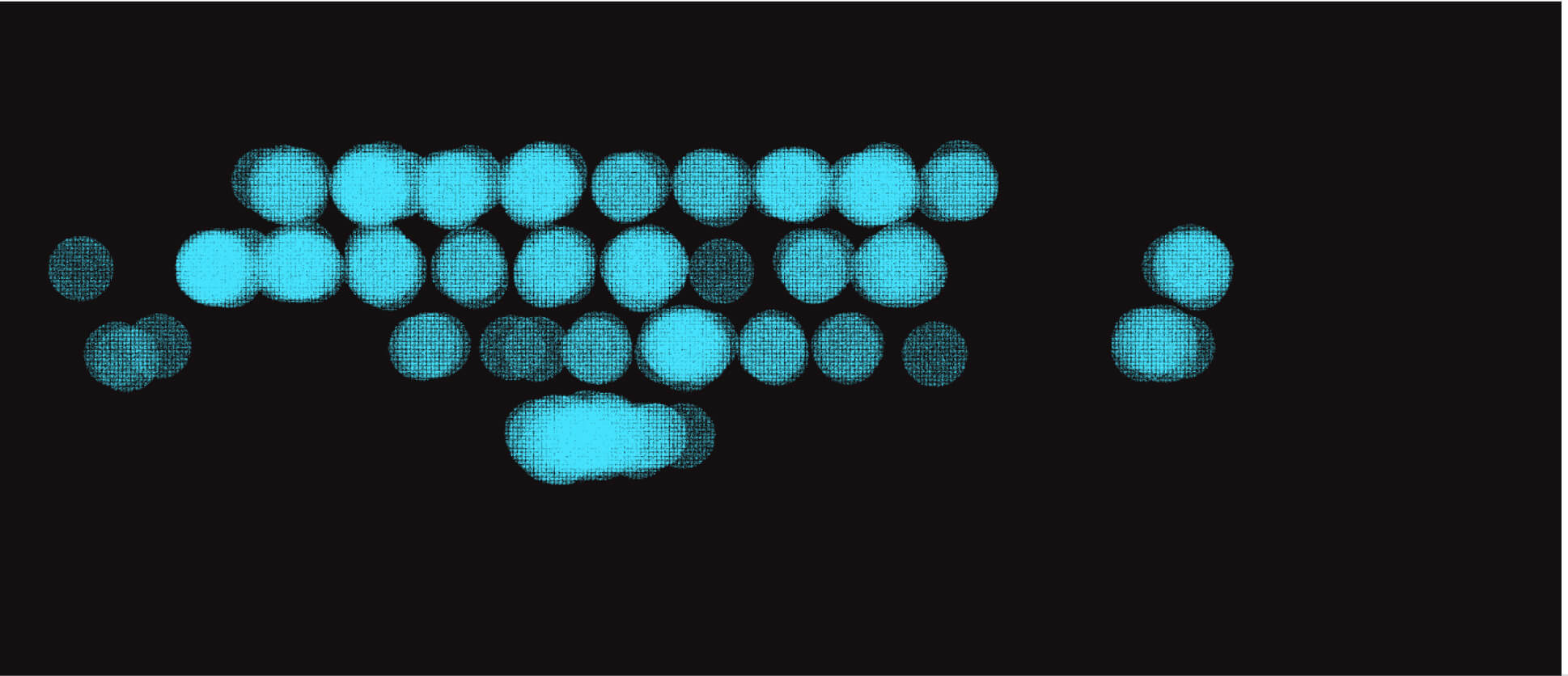
Light is Treading Above a Soft Wall
A keyboard performance of Constellation by Chika Sagawa and translated by Sawako Nakayasu
Artist Statement
If the viewer/reader isn’t aware of the fact that the words are generating the images, they don’t treat the work as a visualisation of something ‘real’. (p. 50)
Clues for keyboard performances are in their design. Each performance uses a standard keyboard interface as the framework to atomise the poem into individual keystrokes, and makes the following simple yet deliberate connections:
- The selected poem will first ‘speak’ to me.
- The title is drawn from the poem and should relate conceptually to keyboard performance.
- The colour scheme is derived from the book’s cover, by scanning it and using an eyedropper tool.
- The keystroke style will relate either to the poem or the poet.
What makes each performance unique – apart from the titles, colour schemes and keystroke styles – is the range and repetition of keystrokes in the poem. Where letters are repeated, layered keystrokes create further nonuniform markings in the two-dimensional digital image, suggesting density. Winkler imagines repetition in spelled-forms as three-dimensional (p. 39)1 and I feel the same way about repetition in keyboard performances.
In contemplating how Lori Emerson (2014) relates the procedural capabilities of digital media to labour, keyboard performance takes a labour-oriented task like word-processing – often seen as feminised work due to its repetitious and clerical nature (Chun, 2011, p. 29, p. 35)2 – and transforms it into a literary subject experimenting with form. The inclination to perform poems written by women challenges the presumption that any feminised work is necessarily obedient, subservient or invisible.
A keyboard performance now redefines the feminised space of word-processing as a creative and abstract endeavour. Now the keyboard becomes a labour-making device, duplicated on-screen as part of the canvas, just as the labour-saving functions of Photoshop, such as layers, are consciously manipulated in the process (Emerson, 2014, p. 65 and p. 123; 3 Kirschenbaum, 2016, pp. 24–25 4). These visual poems — and their mode of performance or cartography — aim to contribute to the field of poetry by expanding notions of simulacra and translation-as-concept. Additionally, they might draw the viewer’s attention to how ‘elusive keystrokes can be captured and reused’ (University of Chicago Press, 1983, p. 1)5.
Notes
Winkler, M. (2021). The Image of Language: An Artist’s Memoir. Artist Books Editions.
Chun, W. H. K. (2011). Programmed Visions: Software and Memory. Massachusetts Institute of Technology Press.
Emerson, L. (2014). Reading Writing Interfaces: From the Digital to the Bookbound. University of Minnesota Press
Kirschenbaum, M. G. (2016). Track Changes: A Literary History of Word Processing. Harvard University Press.
University of Chicago Press. (1983). Chicago Guide to Preparing Electronic Manuscripts for Authors and Publishers. University of Chicago Press.
-
2Read MoreLess
Chun, W. H. K. (2011). Programmed Visions: Software and Memory. Massachusetts Institute of Technology Press.
-
3Read MoreLess
Emerson, L. (2014). Reading Writing Interfaces: From the Digital to the Bookbound. University of Minnesota Press
-
4Read MoreLess
Kirschenbaum, M. G. (2016). Track Changes: A Literary History of Word Processing. Harvard University Press.
-
5Read MoreLess
University of Chicago Press. (1983). Chicago Guide to Preparing Electronic Manuscripts for Authors and Publishers. University of Chicago Press.